Development of Sustainable Bionanocomposite Materials for Shelf-Life Extension of Perishable Foods and Drinks

Extending Freshness, Reducing Waste, and Creating a More Sustainable Food System
Overview
Food waste is one of the world's most pressing sustainability challenges, costing an estimated £1 trillion globally every year while contributing significantly to greenhouse gas emissions and resource inefficiency. At the same time, conventional food packaging relies heavily on petroleum-based plastics, creating additional environmental burdens at end-of-life.
To address these challenges, Metalchemy partnered with the University of Reading to develop next-generation sustainable bionanocomposite packaging materials capable of extending the shelf life of perishable foods and beverages while reducing environmental impact.
The collaboration focused on combining our advanced antimicrobial technologies with sustainable packaging solutions to create commercially scalable materials that can help reduce food waste, improve food safety, and support the transition towards a circular economy.
Headline Impact
Shelf-life extension of up to 1.5–2× compared with conventional packaging
99% reduction in E. coli in antimicrobial efficacy testing
Potential reduction of up to 150,000 tonnes of UK fresh-produce waste annually
15% lower carbon footprint than polypropylene packaging alternatives
Active additive manufacturing process delivering 78× lower greenhouse gas emissions and 10× lower production costs
The Challenge
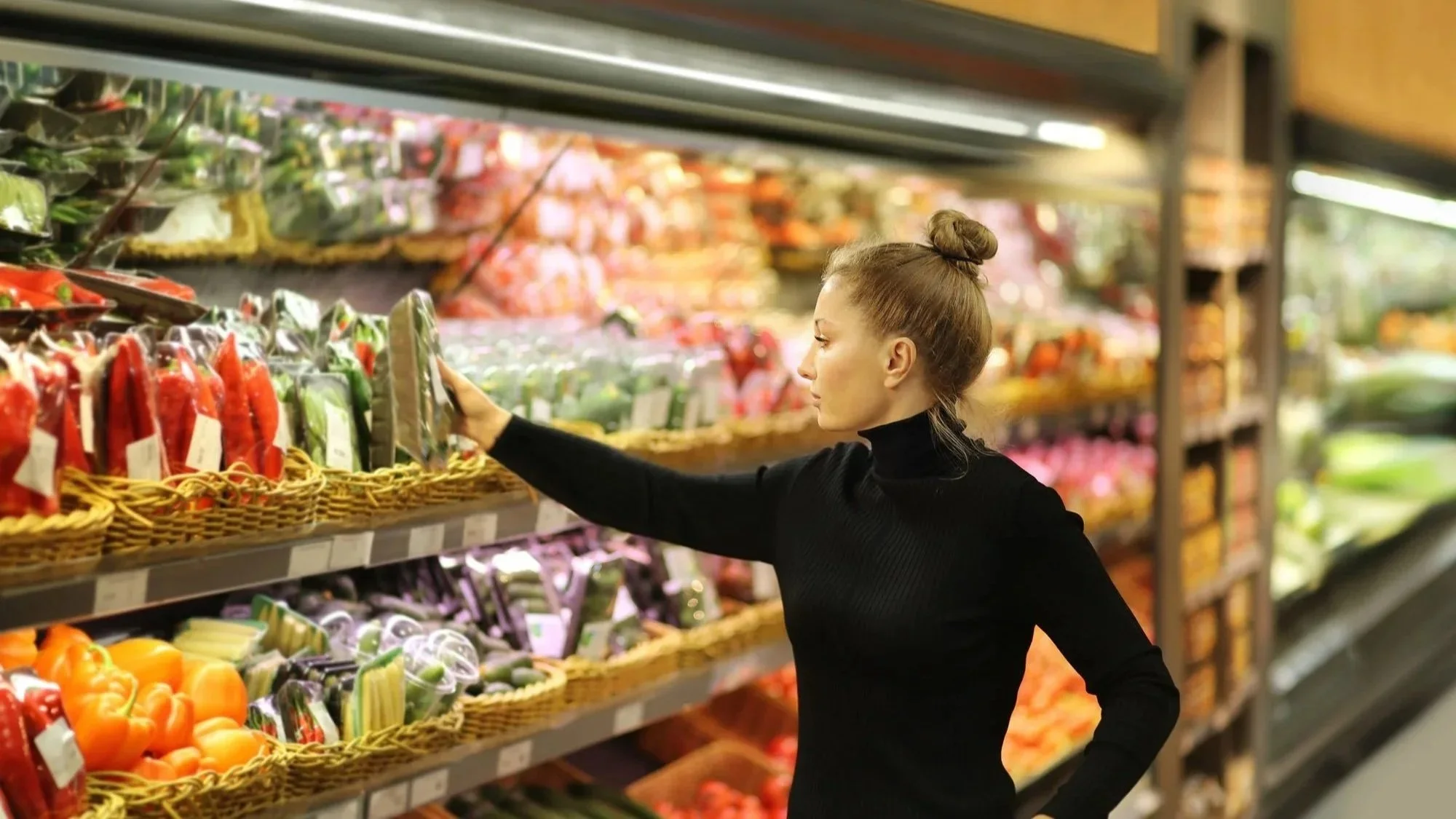
Fresh foods such as salads, berries, mushrooms, meat, and bakery products are highly susceptible to spoilage, resulting in significant waste across supply chains, retailers, and households.
Current packaging solutions often struggle to balance:
Shelf-life performance
Food safety requirements
Sustainability objectives
Commercial viability
Regulatory compliance
There is a growing need for packaging solutions that not only preserve food quality for longer but also reduce dependence on traditional plastic materials and minimise environmental impact.
Project Objectives
Metalchemy and the University of Reading worked together to:
Develop active antimicrobial packaging capable of extending food shelf life.
Conduct comprehensive Life Cycle Assessment (LCA) and Techno-Economic Analysis (TEA).
Quantify the societal, environmental, and economic benefits of shelf-life extension.
Create scalable, regulation-compliant packaging solutions capable of replacing conventional petroleum-based plastics.
Solution Development
The project centred on the development of advanced bionanocomposite packaging materials incorporating active antimicrobial technologies designed to inhibit microbial growth and preserve food freshness.
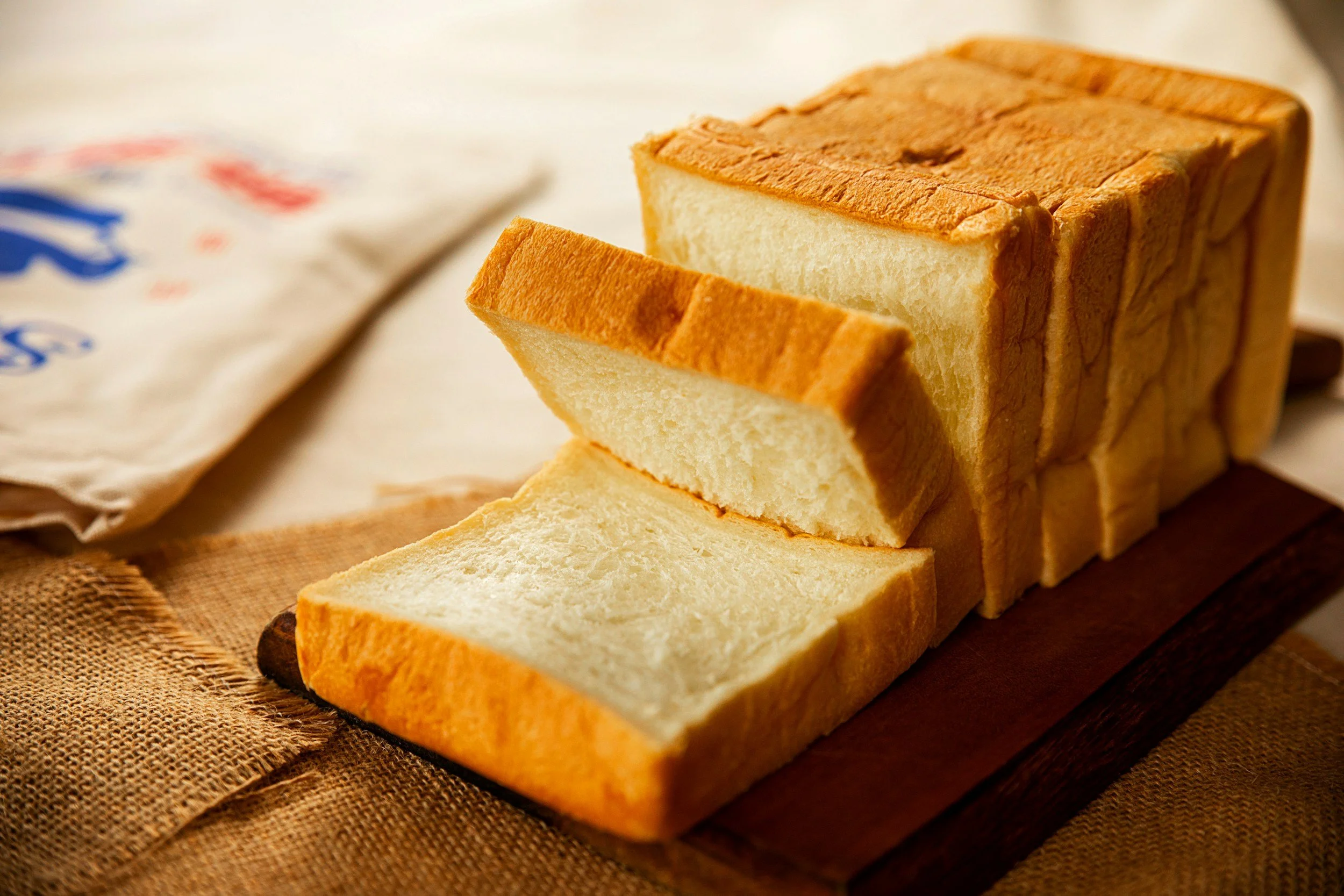
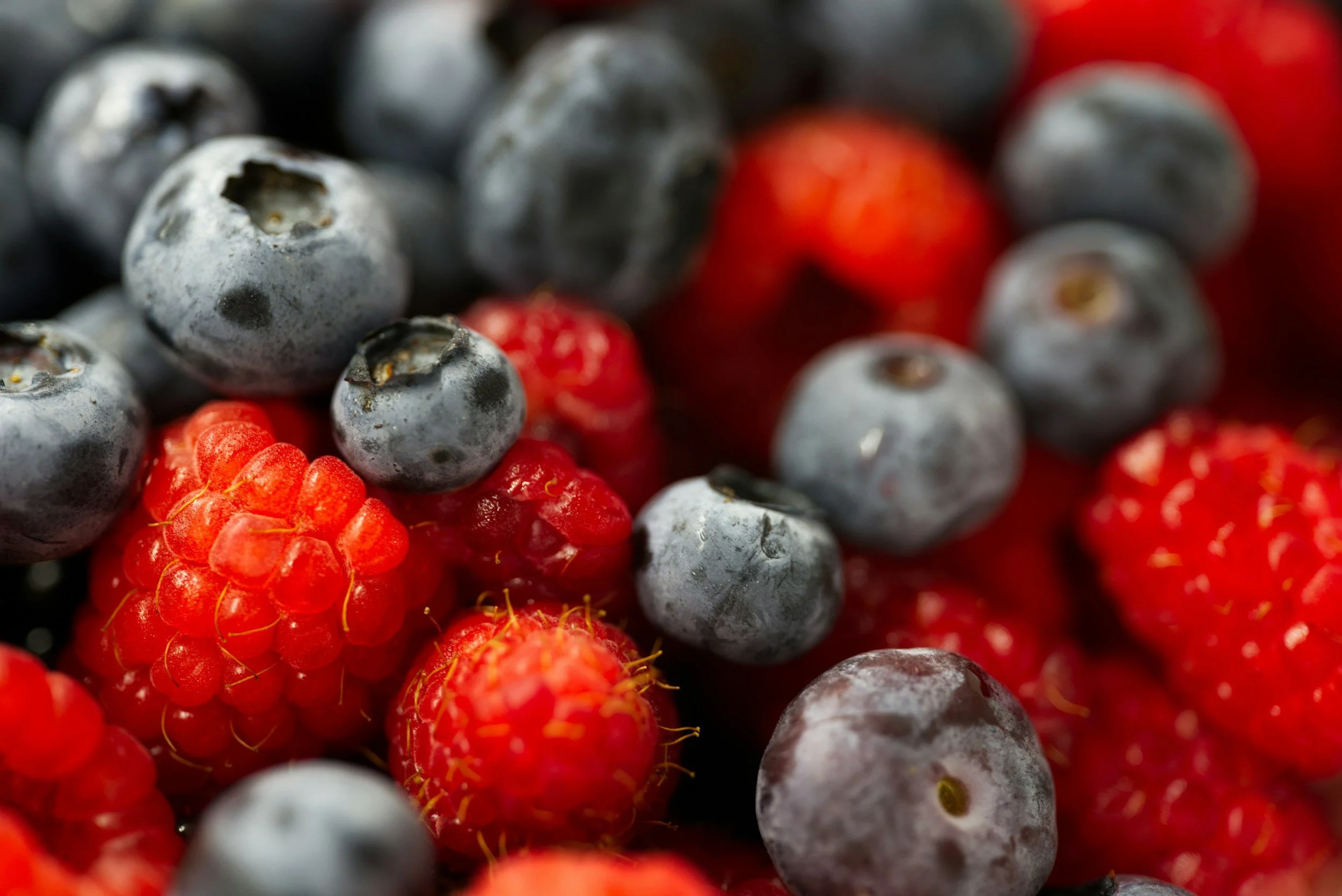
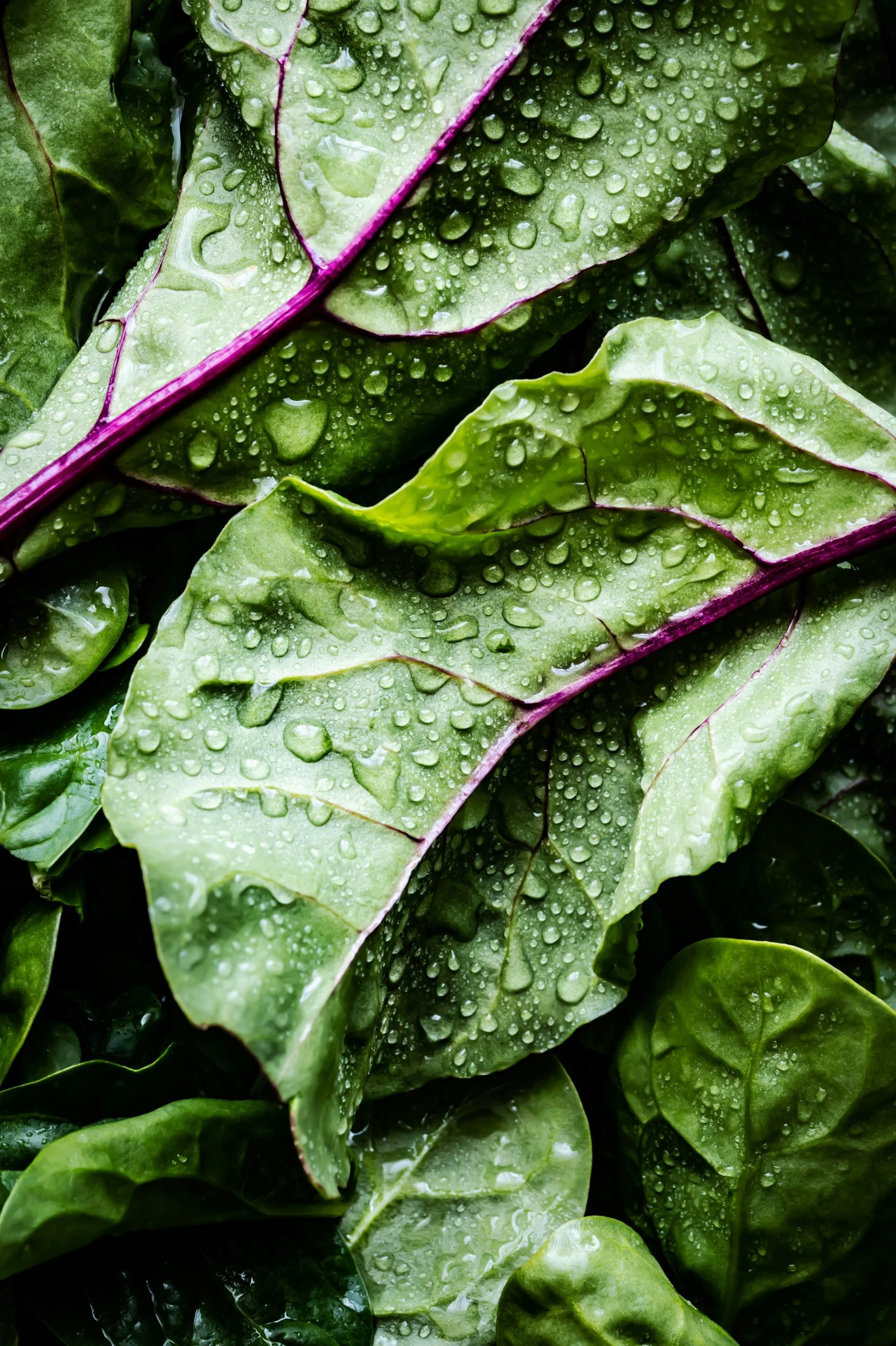
Extensive testing and validation were conducted across multiple food categories, including:
Bread
Beef
Fresh berries
Salad leaves
Mushrooms
The strongest performance improvements were observed in fresh produce applications, where spoilage reduction has the greatest potential to reduce food waste across supply chains.

Key Results
Shelf-Life Extension
Testing demonstrated significant improvements in product longevity, with packaging achieving shelf-life extensions of up to 1.5–2 times longer than conventional packaging systems. Modelling suggests this could reduce food waste by 10–30%, depending on product category and supply chain conditions.
Antimicrobial Performance
Laboratory testing confirmed the effectiveness of the active packaging technology, achieving 99% reduction in E. coli.
This validates the antimicrobial capability of the packaging and highlights its potential to improve food safety while extending product freshness.
Manufacturing and Scale-Up
The project successfully delivered: 400 kg of AgNP-LDPE processed film
This milestone demonstrated the feasibility of scaling production beyond laboratory conditions and provided valuable insight into future commercial deployment.
Research Outputs
The collaboration generated new scientific knowledge through:
Publication and submission of scientific papers
Lifecycle assessment studies
Economic impact analysis
Identification of future optimisation opportunities, including reductions in plasma-treated LDPE processing costs
Environmental and Economic Impact
The project's impact extends well beyond packaging performance.
Reduced Food Waste
National adoption of these materials could reduce UK fresh-produce waste by:
Up to 150,000 tonnes per year
This represents substantial environmental benefits alongside significant cost savings for retailers and supply chain operators.
Lower Carbon Footprint
Compared with conventional polypropylene packaging, the new materials demonstrated:
15% lower CO₂ emissions
In addition, Metalchemy's patented active additive manufacturing process offers:
78× lower greenhouse gas emissions
10× lower production costs
compared with conventional production methods.
Industry Engagement and Commercial Potential
The project has generated strong interest across the food and packaging sectors.
Industry Participation
More than: 80 SMEs, food producers, retailers, and industry stakeholders have participated in trials, evaluations, or engagement activities.
Partners have included organisations such as:
Food manufacturers
Packaging suppliers
Retail stakeholders
Commercial Opportunities
The technology provides a clear pathway toward:
Reduced food waste across retail supply chains
Improved product quality and freshness
Compliance with sustainability targets
Replacement of petroleum-based packaging materials
New commercial opportunities for UK SMEs
Why This Matters
This project demonstrates how research-industry partnerships can address major global challenges through practical innovation.
By extending shelf life, reducing food waste, lowering emissions, and creating scalable alternatives to conventional plastics, we provide a solution with environmental, societal and economic benefits.